MS pain is more painful than ordinary pain
Pain is also a common symptom of multiple sclerosis and is more painful than normal pain people feel. Pain can affect the normal day to day life in those people who have MS. Pain could also be caused by reaction to medication.
The main cause of pain in people with MS are :
1. Nerve damage – this is a stabbing pain that happens due to faulty nerve signals.
2. Due to the symptoms of Multiple Sclerosis itself.
Pain can also be caused by symptoms of MS such as :
1.
Bladder infeections
2.
Bowel problems
3.
Side effects of medication
4.
Bad Posture
5.
Badly adjusted wheelchair
6.
Heat
7.
Cold
Chronic pain will be with you for a long period of time and it is unpredictable. Pain can also be caused by severe brain damage and damage to the spinal cord.
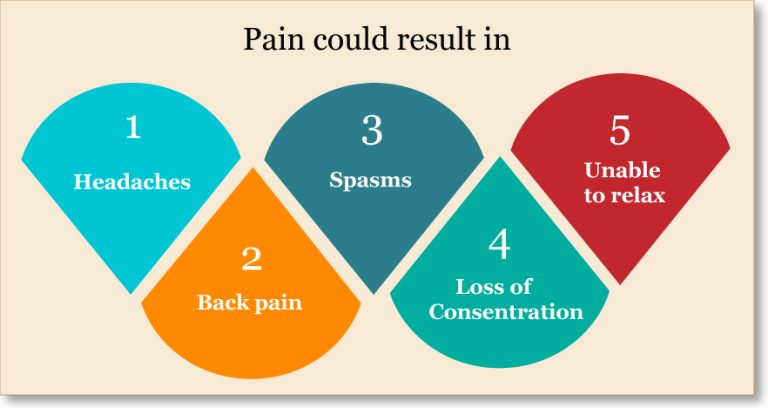
Pain can give you:
Headache.
Back pain.
Burning pain in extremities.
Spasms.
Loss of concentration.
Inability to relax.
Stress and anxiety.
Types of pain
Neuropathic pain
Neuropathic pain comes suddenly. It is caused by severe brain damage which is caused by increased nervous activity in the spinal code where nerve fibers become hyper sensitive. Neuropathic pain due to Multiple Sclerosis.
The common symptoms of Neuropathic pain are :
(1) Sharp nagging pain.
(2) Shivering
(3). Burning sensation.
(4) Tingling.
(5) Pins and needles.

Musculoskeletal pain
This pain comes in the base of the spine and hip and it is caused by immobility. The pain could be from muscle and joint weakness. The pain will be from hips, arms and legs.
Pain can also be caused by:
(1) Improper posture or seating.
(2) Tightening of muscles.
(3) Cramps and muscular spasms can be server and discomfiting.
Some pain may emerge like an electric shock and id dure to bending head for a long time.
Also coughing or sneezing. Sometimes the pain could cause a constant pain with a burning sensation or tingling and usually occurs at night.
Pain could come behind the eye or when moving eyes.
This type of pain could remain with you for 7 to 10 days.
Ways to manage Pain
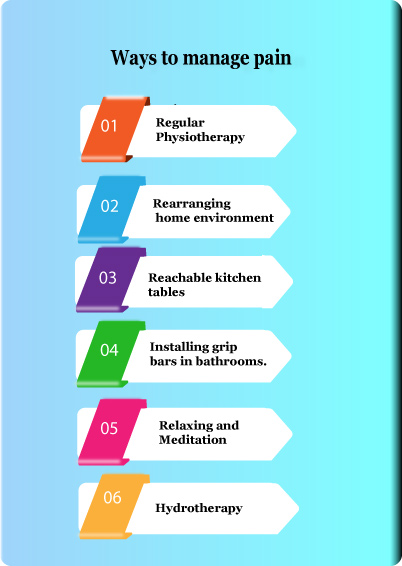
Ways to manage pain
(1). Physiotherapy is a good way to manage pain.
(2). Adjustment to your home environment can help.
(3). Making kitchen tables easily reachable and minimize bending and twisting to prevent strain on muscles.
(4). Also installing grip bars in bathrooms.
(5). Relaxing/meditating.
(6). Water-based exercising (hydrotherapy) .
(7). Exercise and physical therapy is essential to prevent/decrease spasticity and sore muscles.
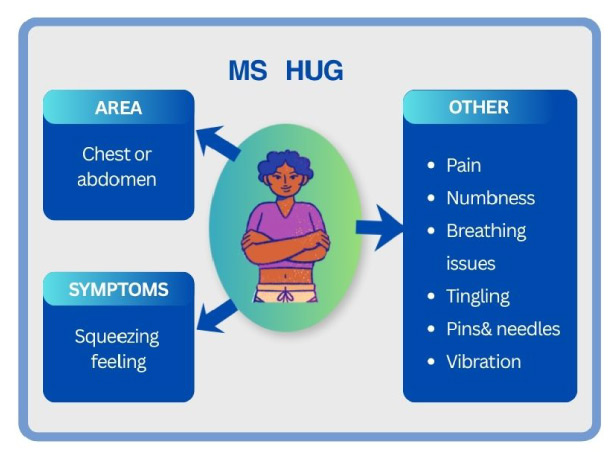
MS HUG
This is when you get a feeling of painful or uncomfortable tightening or pressure. It comes on the stomach or chest.
It could be alarming and frightening. It is said that this is due to changes in sensations or spasms caused by the muscle between the ribs. It is triggered by stress, fatigue or heat.
Lorem ipsum dolor sit amet, at mei dolore tritani repudiandae. In his nemore temporibus consequuntur, vim ad prima vivendum consetetur. Viderer feugiat at pro, mea aperiam

Tips to manage stress
Looking for possible triggers to avoid
Wearing loose or tight clothes
Moving or stretching
Applying pressure or hot or cold
Relaxation techniques
Self help relaxation – meditation, massages
Coping with Pain
Physiotherapy
Physiotherapy is the best way to manage Multiple Sclerosis. It will help to easily move around. It will help to reduce injuries, build strength and assist in functions of the body. Long standing problems such as painful bed sores, stiff joints and wasted muscles could be managed with physiotherapy.
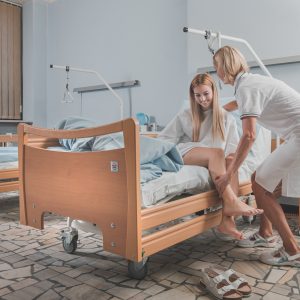
Occupational therapy
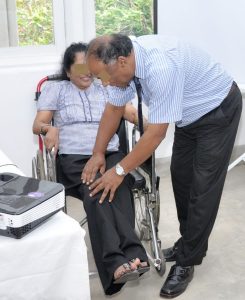
Occupational therapist will recommend practical ways to cope with pain by advising on changes to homes to make it easy to live in, such as fixing hand rail, ramps etc. They will also guide you on how to avoid/minimize pain or by introducing certain methods to prevent or minimize triggers.
The occupational therapist will also suggest:
1. Methods to breakdown household chores into short stages with rest intervals.
2. How to reorganize kitchens and bathrooms to prevent or minimize strain on muscles and joints and avoid twisting and bending.
3. Recommend furniture which is more suitable comfort and thereby reduce strain on muscles, such as firm matrass, reclining chair etc.
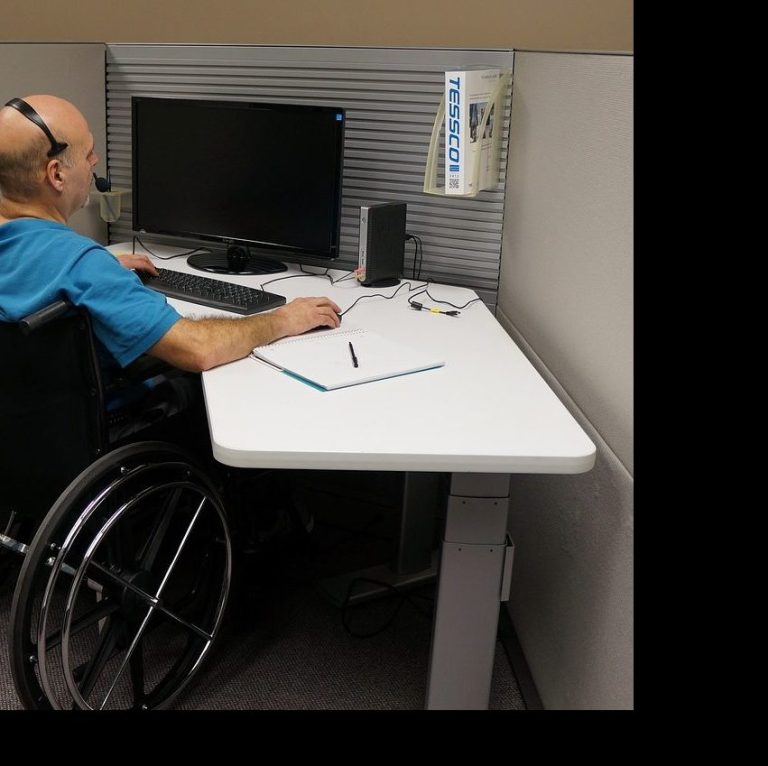
4. Pain management for those who are working, such as flexi hours, work from home as well as changes to work space.

Multiple Sclerosis Association of Lanka
111, Inner Flower Road
Colombo-3
Tel/WhatsApp: 0777319333
Email: msalinfo@sltnet.lk
Web: www.mssrilanka.org