How incontinence affects people with Multiple Sclerosis.
Due to Multiple Sclerosis loss of bladder and bowel control is common. Bladder and bowel issues vary from person to person. In some cases, there could be a sudden need to use the toilet, which can be difficult.
To manage constipation, increase fiber intake, increase fluid intake and regular bowel movement is required. In extreme cases stool softeners can be used.
Fluid intake
The fallacy that drinking less water will reduce going to the toilet is not true. It only makes the symptoms worse. By holding it in, urine gets more concentrated and the bladder becomes irritated and this could result in reduced capacity which in turn will increase frequency of urination and urgency to go to the toilet.
Urinary tract infection
Burning sensation when urinating
• Increased frequency and urgency of urination
• Cloudy urine
• Unexplained worsening of MS symptoms,
particularly fatigue, weakness and spasticity
• Incontinence

Kidney infection (male and female):
• Fever
• Lumbar pain
• Burning sensation when urinating
Urine should be collected directly while urinating or from a catheter. Do not take urine from the urine bags for testing.
If any infection is present it could cause stiffness, spasms or fatigue.
Tips to Manage
Lifestyle changes have to be made to manage Bladder and Bowel issues. Intake of fluid intake, diet or routines and medication.
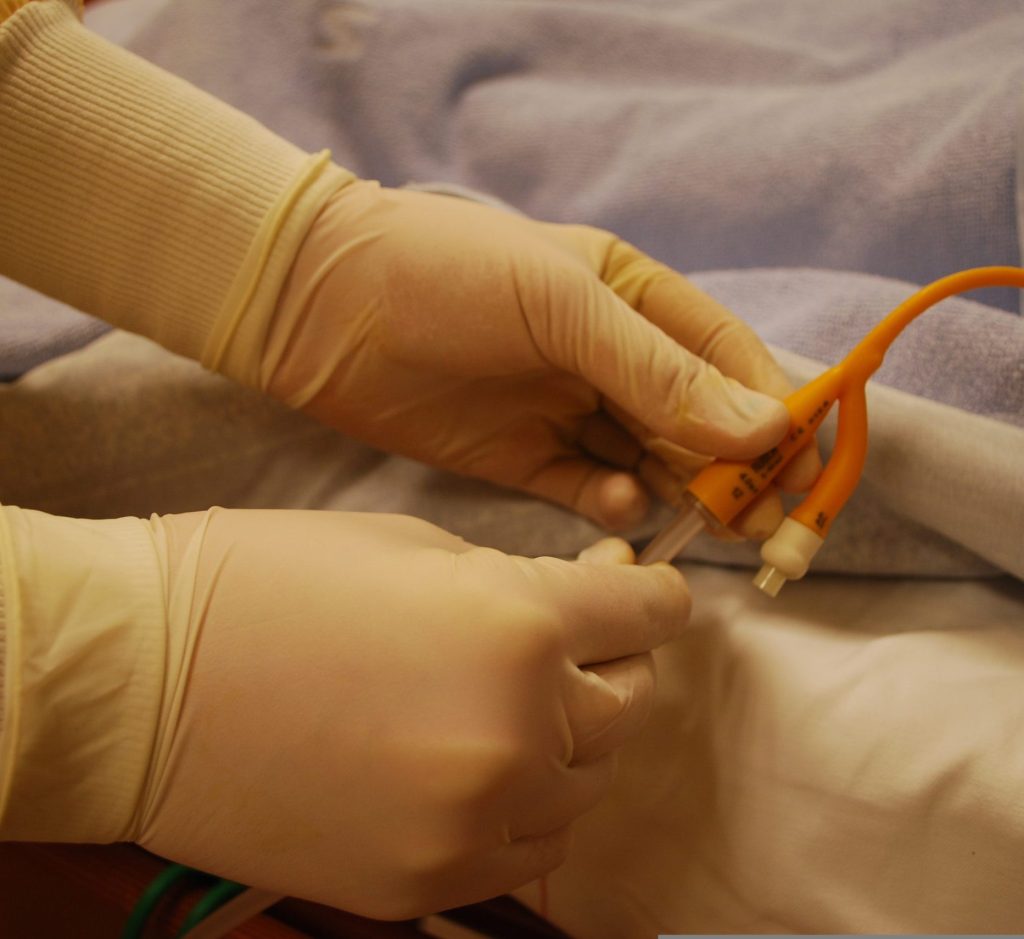
Self-catheterization
Medication to minimize occurrences
Damage to the nervous system could result in slow movement of stools.
When there are damages to the nervous system it could result in slow movement of stools. Bloated or painful abdomen could also be caused by limited mobility contribute to constipation.
The loss of sensitivity in the rectum could result in uncontrolled bowel movement.


Constipation occurs when the stools progress slowly in the colon. This will cause the stools in the rectum to get dehydrated and hard, therefore it will be difficult to expel it from the rectum and causes constipation.
Bowel dysfunction can have an adverse impact on daily life in that it could cause disturbance of sleep and bloating which could lead to discomfort.
To manage constipation, increase fiber intake, increase fluid intake and regular bowel movement is required. In extreme cases stool softeners can be used.
Toilet Management:
Liquid intake should be 8 – 19 cups a day
Sit properly in a comfortable position in the toilet.
Sit with knees higher than the hips.
Apply slight pressure to the abdomen with your hand.
Make a fist and blow into it like you are blowing a balloon.
Urinate every 2-3 hours or 6-7 times during the day.
Helpful tips
Liquid intake should be at least 8 – 19 cups a day.
Avoid Caffein, coloured water, carbonated or acidic drinks.
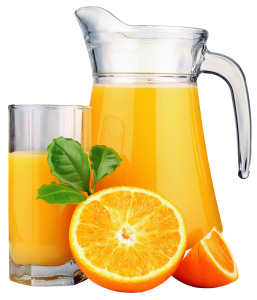
Water, flavoured water, fruit teas, fruit juice which are not acidic.
Ensure that food with fiber is eaten everyday- eg. wholegrain cereals, bread and pasta, nuts, beans, pulses and legumes
Take plenty of fruits – fresh or dried fruits, prune juice, Aloe vera juice.
When urinating sit comfortably and relax and let the bladder completely empty it.
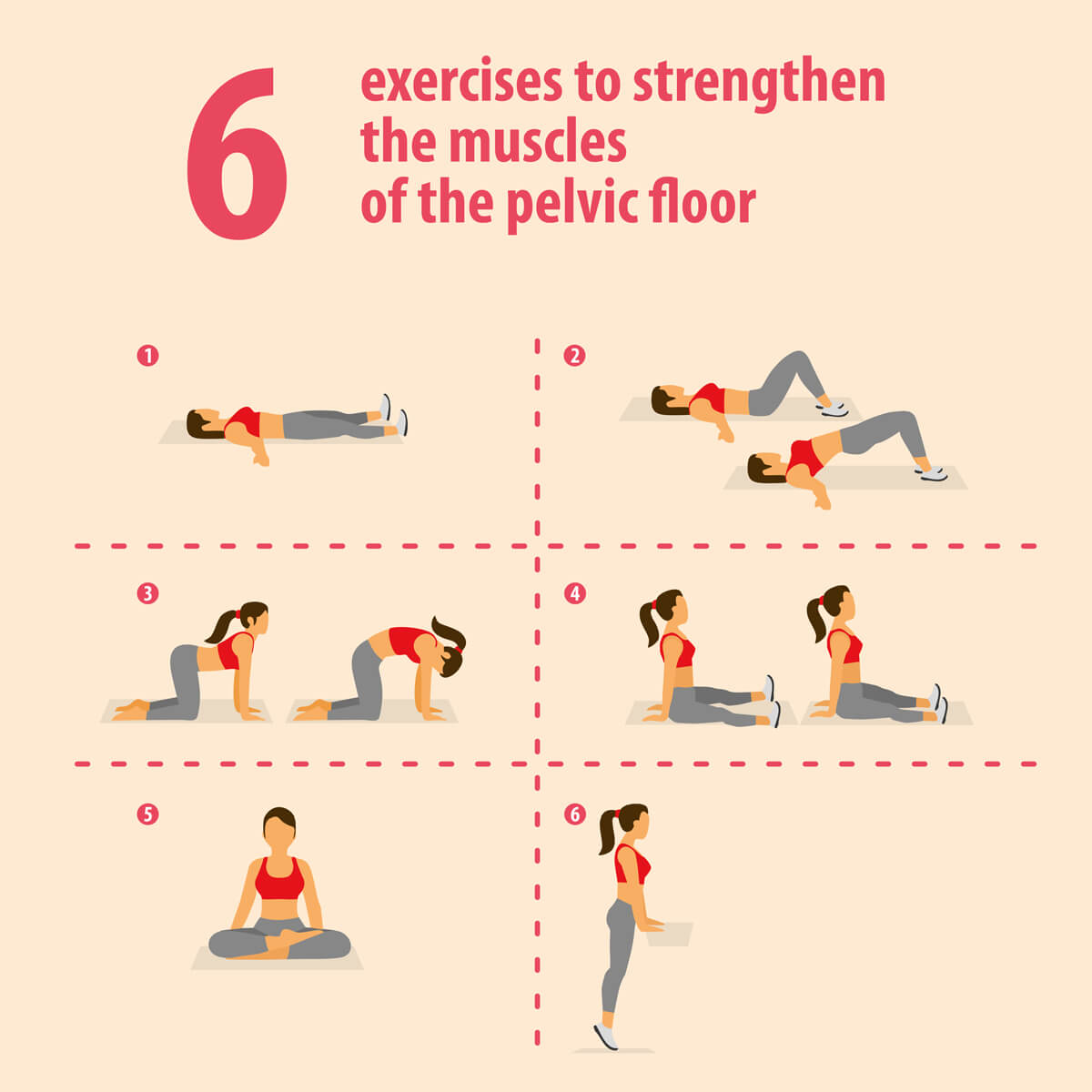
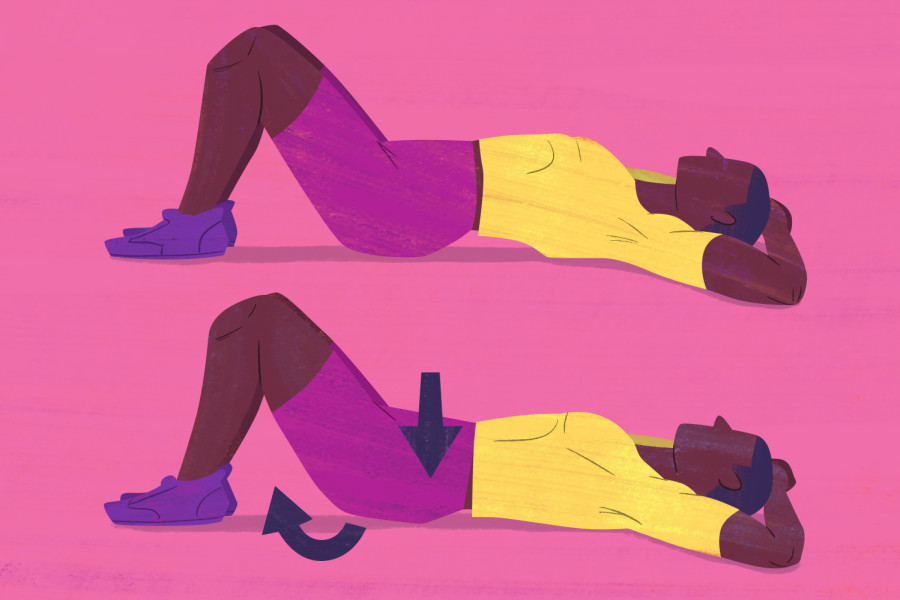
Regular Pelvic floor muscle exercises must be done.
Pelvic floor exercises
Multiple Sclerosis Association of Lanka
111, Inner Flower Road
Colombo-3
Tel/WhatsApp: 0777319333
Email: msalinfo@sltnet.lk
Web: www.mssrilanka.org